How to Avoid Common Mistakes When Using Material Handling Equipment?

Time:2026-04-29 Author:Sienna
0%

In the world of logistics, material handling equipment plays a vital role. However, many users often overlook critical aspects. Understanding what are common mistakes when using material handling equipment can significantly enhance safety and efficiency.

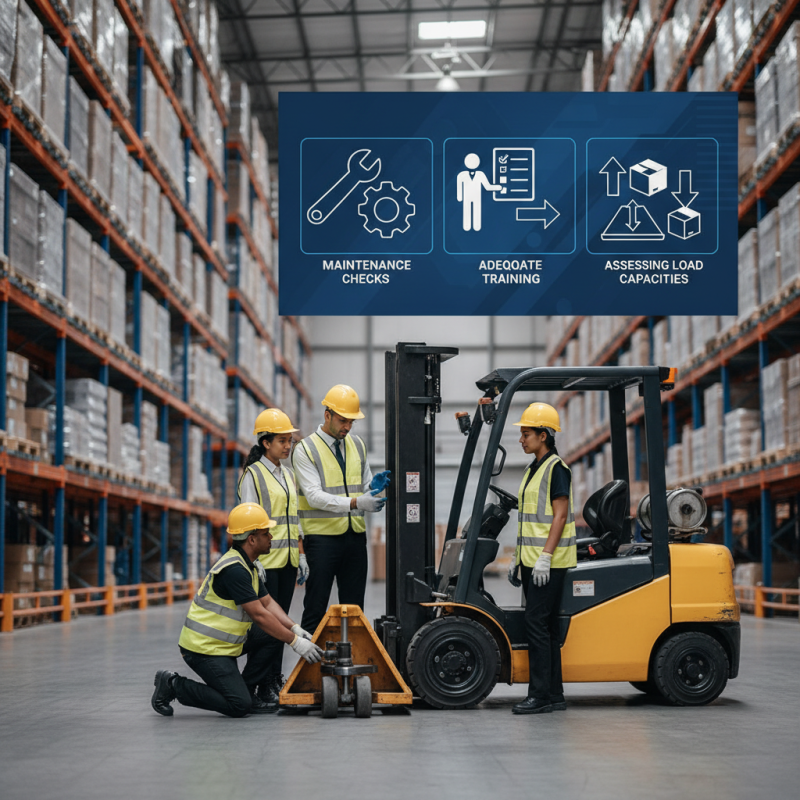
One prevalent mistake is the failure to receive adequate training. Operators may misuse equipment due to a lack of knowledge. Another issue is neglecting regular maintenance checks. This oversight can lead to equipment failures, posing risks to personnel.

Additionally, improperly assessing load capacities often leads to accidents. Users may push limits, resulting in equipment damage or injury. It is crucial to approach material handling with a mindset focused on prevention and safety. By addressing these common pitfalls, businesses can foster a safer working environment and optimize their operations.
How to Avoid Common Mistakes When Using Material Handling Equipment?

Best Practices for Material Handling Equipment Inspection and Maintenance

Regular inspection and maintenance of material handling equipment are crucial. Thorough checks can prevent accidents and enhance efficiency. Operators should inspect each piece of equipment before use. Look for visible wear and tear, and check fluid levels. Missing components can lead to costly downtime. Keep a detailed log of inspections to identify recurring issues and patterns.

Maintenance routines should be well-defined. Schedule periodic servicing by qualified personnel. This ensures that all equipment operates smoothly. Use checklists to cover all critical areas during inspections. Even small issues, like loose bolts, can escalate if unnoticed. Remember, ignoring minor flaws can lead to severe consequences later.

Training staff on proper inspection techniques is vital. Knowledgeable employees will recognize potential problems earlier. Encourage a culture of safety and vigilance. When everyone is aware, equipment longevity improves. Ensure that workers understand the importance of communication regarding any equipment concerns. Being proactive can save time and resources in the long run.

Common Mistakes in Material Handling Equipment Usage

Understanding Load Limits: Avoiding Overloading Hazards and Equipment Damage

Understanding the load limits of material handling equipment is crucial. Overloading can lead to accidents and damage. Each piece of equipment comes with specific weight ratings. Exceeding these limits puts both workers and equipment at risk.

Load limits are often misunderstood. Workers may think slight overloads are fine. This is a common mistake that can cost expensive repairs. Always check the manufacturer's guidelines. Each design has factors that determine capacity. Familiarize yourself with these before operating equipment.

Tips for avoiding overloads include proper training. Ensure your team understands load limits. Regularly inspect equipment for wear and tear. Create clear signage on equipment specifications. This promotes awareness and prevents mistakes. Remember, knowledge is power when handling heavy loads.

Employee Training: Essential Skills for Safe Material Handling Operations

Employee training is crucial for safe material handling operations. According to the U.S. Bureau of Labor Statistics, manual material handling is responsible for nearly 30% of workplace injuries. Proper training can significantly reduce these risks. Workers should learn the right techniques for lifting, carrying, and stacking. This knowledge can minimize strain and prevent injuries.

Training programs must include hands-on practice. Simulating real-life scenarios helps employees understand the equipment better. Learning about weight limits, ergonomic techniques, and the correct use of tools is essential. A study by the National Safety Council indicates that effective training programs can cut accidents by up to 50%. This data highlights the importance of continuous education and regular assessments.

Employers should not overlook the potential for errors. Even minor mistakes can lead to severe consequences. Regular feedback sessions can help identify areas needing improvement. Creating a culture of safety in the workplace encourages employees to share concerns. Engaging workers in discussions fosters a sense of responsibility and awareness, ultimately enhancing safety in material handling.

Implementing Proper Ergonomics to Reduce Injury Risks in Handling Equipment

Using material handling equipment comes with its risks. Implementing proper ergonomics can significantly reduce injury risks. A well-designed workspace layout minimizes unnecessary strain. Positioning tools and materials within easy reach is crucial. This prevents awkward bending or twisting that can lead to injuries.

Workers should pay attention to posture. Standing for long periods can strain the back. Using mats can provide comfort and support. Taking breaks is essential to avoid fatigue. Fatigue undermines focus and increases the chances of accidents. Educating workers on correct lifting techniques is also vital. Lifting heavy items close to the body protects the spine.

Maintaining equipment is another area to consider. Regular checks can prevent accidents caused by faulty machinery. Ensure equipment is in good working order. Workers should report any issues immediately. Implementing these ergonomic strategies offers a safer working environment. However, evaluating and refining these practices should be ongoing. There’s always room for improvement.

How to Avoid Common Mistakes When Using Material Handling Equipment? - Implementing Proper Ergonomics to Reduce Injury Risks in Handling Equipment

Mistake Description Ergonomic Practice Injury Risk Reduction
Poor Lifting Techniques Improper bending or twisting while lifting heavy objects. Use a squat lift instead of bending at the waist. Reduces risk of back injuries.
Ignoring Equipment Limits Exceeding the maximum weight or load capacity of equipment. Follow load capacity guidelines provided by the manufacturer. Decreases likelihood of equipment failure and injuries.
Inadequate Training Staff not properly trained on equipment use and safety protocols. Provide comprehensive training sessions regularly. Enhances safety awareness and decreases accident rates.
Cluttered Workspaces Obstructive paths and tripping hazards in work areas. Maintain organized and clean workspaces. Reduces slip and fall injuries.
Neglecting Maintenance Failure to conduct regular inspections and maintenance on handling equipment. Schedule routine maintenance checks. Prevents equipment malfunctions and related injuries.

Choosing the Right Equipment: Matching Tools to Tasks for Efficiency and Safety

When selecting material handling equipment, matching tools to tasks is crucial for efficiency and safety. According to a report by the Material Handling Industry of America (MHIA), improper equipment choices can lead to a 20% decrease in operational efficiency. For example, using a forklift instead of a pallet jack for lighter loads can cause unnecessary strain on employees and increase the risk of damage.

Analyzing the specific needs of a task can prevent common mistakes. Over 30% of safety incidents in warehouses stem from using inappropriate equipment. Choosing a tool that is not suitable can result in injuries or inefficiencies. A careful evaluation of load sizes and employee capabilities should guide equipment selection. Often, organizations overlook this assessment, leading to repeated errors and increased costs.

Using equipment that fits the task context is essential. The National Safety Council states that proper material handling can reduce workplace injuries by up to 50%. However, organizations often default to standard solutions without considering their unique work environment. This one-size-fits-all approach can be detrimental and highlights the importance of tailored equipment choices based on specific applications.

FAQS

: Why is understanding load limits important?

: Understanding load limits prevents accidents and equipment damage. Exceeding limits puts workers and equipment at risk.

What should workers know about overloads?

Workers often think slight overloads are acceptable. This misconception can lead to costly repairs.

How can I avoid overloading equipment?

Proper training is essential. Make sure your team understands and respects load limits.

What role does equipment maintenance play?

Regular inspections prevent accidents caused by worn equipment. Workers should report any problems immediately.

How can ergonomics help reduce injuries?

Ergonomics can minimize strain. A well-organized workspace helps prevent awkward movements.

What should workers consider when lifting?

Correct lifting techniques are vital. Always lift heavy items close to the body to protect the spine.

How can fatigue impact safety?

Fatigue reduces focus and increases accident risks. Taking breaks is essential to maintain attention and safety.

What are some ergonomic strategies to implement?

Use supportive mats and arrange tools within easy reach. Educate workers on proper posture and lifting techniques.

Is there room for improvement in safety practices?

Yes, always evaluate and refine safety practices. There’s no perfect solution; ongoing assessment is necessary.

Conclusion

When using material handling equipment, it is crucial to understand what are common mistakes when using material handling equipment to ensure safety and efficiency. One key aspect is to conduct regular inspections and maintenance of the equipment, which can prevent malfunctions that often lead to accidents. Additionally, recognizing and adhering to load limits is essential to avoid overloading hazards and potential equipment damage, which is frequently overlooked.

Investing in employee training is another critical component, as it provides essential skills for safe handling operations. Enhancing ergonomics is also vital, as improper practices can lead to injuries. Finally, selecting the right equipment for specific tasks maximizes efficiency and safety, helping to mitigate risks associated with material handling. By following these best practices, organizations can significantly reduce common mistakes and enhance overall operational safety.

Sienna

Sienna

Sienna is a skilled marketing professional with a deep expertise in our company’s core products and services. With a passion for innovation and detail, she plays a pivotal role in crafting insightful blog posts that not only highlight the unique features of our offerings but also provide valuable......