How to Enhance Warehouse Efficiency Using Handling Equipment?

Time:2026-05-03 Author:Liam
0%

In today's fast-paced warehouse environment, operational efficiency is crucial. Companies are always seeking methods to enhance productivity and reduce costs. A key focus area is understanding how to improve warehouse efficiency with handling equipment. Effective use of handling equipment can dramatically affect workflow, labor productivity, and inventory management.

Innovative handling equipment, such as forklifts and automated systems, can streamline operations. However, improper use or lack of training can lead to delays or injuries. It is essential for managers to invest in quality equipment and robust training programs. This ensures employees operate machinery safely and efficiently.

Adapting handling equipment to specific warehouse layouts can yield significant results. Yet, challenges persist; outdated systems can hinder growth. Continuous evaluation of equipment and processes is necessary. Only through diligent effort can warehouses achieve maximum efficiency and maintain a competitive edge.
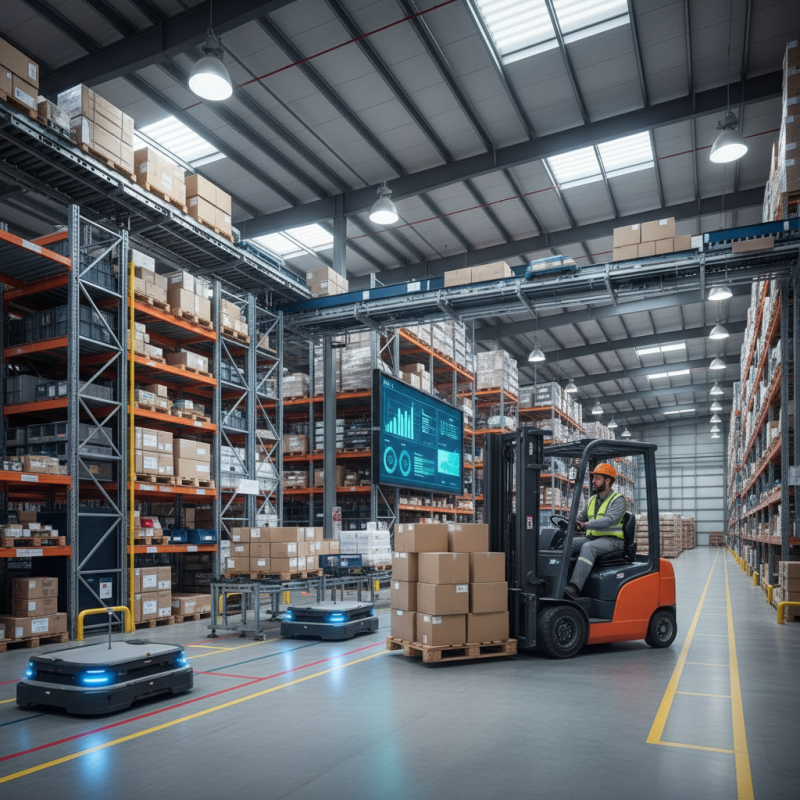
How to Enhance Warehouse Efficiency Using Handling Equipment?

Understanding Warehouse Efficiency and Its Importance

Warehouse efficiency is crucial for business success. It directly impacts costs, delivery speed, and customer satisfaction. Reports estimate that efficient warehouse operations can reduce overall logistics costs by 15% to 30%. This efficiency leads to faster order fulfillment, allowing companies to respond quickly to customer demands.

Handling equipment plays a significant role in this context. Automated guided vehicles and conveyor systems can streamline processes. A study found that using such equipment increases storage density by up to 40%. This change allows warehouses to maximize space usage and minimize movement. However, many still rely on outdated practices, leading to inefficiencies that cost time and money.

Investing in modern handling equipment can transform warehouse operations. Yet, organizations must assess their unique needs carefully. Over-specification can lead to unwanted expenses. A thoughtful strategy includes analyzing workflow and evaluating equipment before making a purchase. Continuous reflection on these choices is essential for sustained improvement.

Types of Handling Equipment for Warehouse Optimization

Warehouses rely heavily on handling equipment to optimize their efficiency. Selecting the right type can significantly impact operations. For instance, forklifts remain a staple in many warehouses. According to the Material Handling Industry of America, about 90% of all warehouses utilize forklifts for moving heavy items. These vehicles can lift loads up to 5,000 pounds, making them essential for managing bulky goods.

Conveyors also play a crucial role in enhancing efficiency. They reduce manual labor and speed up the sorting process. Research shows that conveyor systems can improve warehouse productivity by up to 30%. Automated guided vehicles (AGVs) are another innovative solution. These self-driving units transport materials without human intervention. A study published by Logistics Management reports that AGVs can reduce operational costs by about 20%. Yet, despite their advantages, some facilities struggle with integrating these technologies effectively.

Retraining staff and maintaining equipment are also challenges. It's important to recognize that while handling equipment is advantageous, it requires proper management and training. A warehouse may invest heavily in new equipment but face setbacks due to outdated processes. This reality highlights the need for a balanced approach in adopting new handling equipment while ensuring workforce readiness.

Best Practices for Implementing Handling Equipment

When implementing handling equipment in a warehouse, a few best practices can significantly boost efficiency. Training staff is essential. They should understand how to use the equipment properly. Misuse or lack of knowledge can lead to accidents. Regular training sessions also promote safety and enhance productivity. Staff members who are confident in operating equipment work faster and with fewer mistakes.

Routine maintenance of handling equipment is another crucial aspect. Regular checks and servicing prevent breakdowns. Downtime can severely disrupt operations, impacting delivery times. Scheduling maintenance during off-peak hours ensures that daily tasks remain unaffected. Monitoring the condition of equipment, like forklifts or pallet jacks, helps identify potential issues before they escalate.

Lastly, evaluating workflow and layout is vital. Poorly arranged spaces can hinder the efficiency of handling equipment. Optimal placement can reduce travel time, making the entire process smoother. However, this requires ongoing assessment and may reveal areas that need improvement. Flexibility in adapting warehouse layout with feedback from staff can lead to continuous enhancements in efficiency.

Evaluating the Impact of Handling Equipment on Workflow

Handling equipment plays a crucial role in enhancing workflow efficiency within warehouses. The proper use of these tools can significantly impact the speed and accuracy of order fulfillment. For instance, pallet jacks and forklifts streamline the movement of heavy items. This reduces the physical strain on workers. Moreover, automated systems can optimize the path taken for picking orders. This technology minimizes travelling time, enabling faster processing of tasks.

However, not every handling solution fits every warehouse scenario. Double-checking equipment selection is necessary. A piece of equipment may work exceptionally in one environment while falling short in another. Regular training is also essential. Employees need to understand how to use equipment effectively. Misuse can lead to delays and even injuries.

The placement of handling equipment is another factor to consider. Poor layout can negate any efficiency gains from using advanced tools. Conducting regular evaluations of equipment impact on workflow helps identify bottlenecks. Gathering feedback from employees is essential. They often have valuable insights regarding the practical challenges faced daily. This information is vital for continuous improvement in warehouse operations.

How to Enhance Warehouse Efficiency Using Handling Equipment? - Evaluating the Impact of Handling Equipment on Workflow

Handling Equipment Efficiency Increase (%) Impact on Workflow Cost (USD) Maintenance Frequency (Months)
Forklift 25% Improves speed of loading/unloading 15,000 6
Pallet Jack 18% Facilitates easier product movement 600 12
Conveyor System 40% Streamlines picking and packing 30,000 18
Automated Guided Vehicle 35% Reduces manual labor requirement 50,000 24
Lift Table 20% Improves worker ergonomics 1,200 12

Future Trends in Handling Equipment and Warehouse Efficiency

The future of handling equipment is shaping warehouse efficiency. Industry reports suggest that automation can boost productivity by up to 30%. This transformation is crucial as e-commerce grows. Companies must adopt innovative technologies to remain competitive.

Emerging trends include automated guided vehicles and robotic arms. These tools can reduce manual labor and increase accuracy. A recent study indicated that 72% of warehouses plan to invest in automation by 2025. However, implementing these technologies is not without challenges. Training staff and integrating new systems can consume time and resources.

Sustainability is also a priority in powering future handling equipment. A significant number of warehouses are exploring eco-friendly options. Using electric forklifts, for example, reduces carbon footprints. Balancing efficiency with environmental responsibility remains a complex issue. Companies need to rethink traditional practices while adopting new technologies.

Warehouse Efficiency Enhancement Using Handling Equipment

FAQS

: What is warehouse efficiency, and why is it important?

: Warehouse efficiency affects costs, delivery speed, and customer satisfaction. Efficient operations can cut logistics costs by 15% to 30%.

How does handling equipment influence warehouse operations?

Handling equipment, like forklifts and conveyors, enhances productivity. They reduce manual labor and can save time in operations.

What are some common types of handling equipment used in warehouses?

Forklifts, conveyors, and automated guided vehicles (AGVs) are widely used. Each plays a role in moving items efficiently.

How can investing in modern handling equipment benefit a warehouse?

Modern equipment can improve storage density and speed up order fulfillment. However, investing requires careful assessment of needs.

What challenges do warehouses face with new handling equipment?

Integrating new technologies can be difficult. Staff retraining and poor management can hinder the effectiveness of these tools.

Why is regular training important for warehouse staff?

Staff must know how to use equipment properly. Misuse can lead to errors, delays, and even injuries on the job.

How does equipment placement affect warehouse efficiency?

Poor placement can negate benefits. The layout must facilitate smooth operations and minimize unnecessary movement.

What should warehouses do to address workflow bottlenecks?

Regular evaluations and employee feedback are vital. They provide insights into practical challenges that could hinder efficiency.

Can all equipment work effectively in every warehouse?

No, equipment suitability varies by environment. Double-checking selection is crucial to avoid inefficiencies.

What is the value of ongoing reflection on equipment choices?

Continuous assessment helps maintain improvement. This practice ensures alignment between equipment and operational needs over time.

Conclusion

Enhancing warehouse efficiency is crucial for optimizing operations and maximizing productivity. Understanding the importance of warehouse efficiency involves recognizing its impact on cost reduction, service quality, and overall business success. Various types of handling equipment, such as forklifts, pallet jacks, and conveyor systems, play a vital role in improving warehouse workflows by facilitating the movement and storage of goods.

To effectively implement handling equipment, best practices should be followed, including proper training for staff and regular maintenance of equipment. It's also essential to evaluate the impact of this equipment on existing workflows to identify areas for improvement. Looking ahead, future trends in handling equipment suggest advancements that will further streamline warehouse processes. Ultimately, knowing how to improve warehouse efficiency with handling equipment can lead to significant operational enhancements and a competitive edge in the industry.

Liam

Liam

Liam is a dedicated marketing professional with a profound expertise in the industry, where he excels at highlighting the unique advantages of our core products. With a keen understanding of market trends and consumer needs, Liam frequently updates our company’s professional blog, providing......