How to Enhance Warehouse Efficiency with Handling Equipment?

Time:2026-08-05 Author:Ethan
0%

In today's fast-paced logistics world, maximizing warehouse efficiency is crucial. According to John Smith, an expert in material handling, "Using the right equipment is key to streamlining operations." This highlights the importance of adapting handling solutions to improve productivity.

When exploring how to improve warehouse efficiency with handling equipment, companies must consider their unique operations. Investing in tools like forklifts, pallet jacks, and automated systems can significantly enhance workflow. However, it's essential to tailor these solutions to meet specific requirements and not merely follow trends.

While many focus solely on equipment, the human element is equally important. Employees need training to use handling equipment effectively. Without proper instruction, even the best tools can lead to inefficiencies. Reflecting on this balance is vital for achieving true efficiency in warehouse operations.
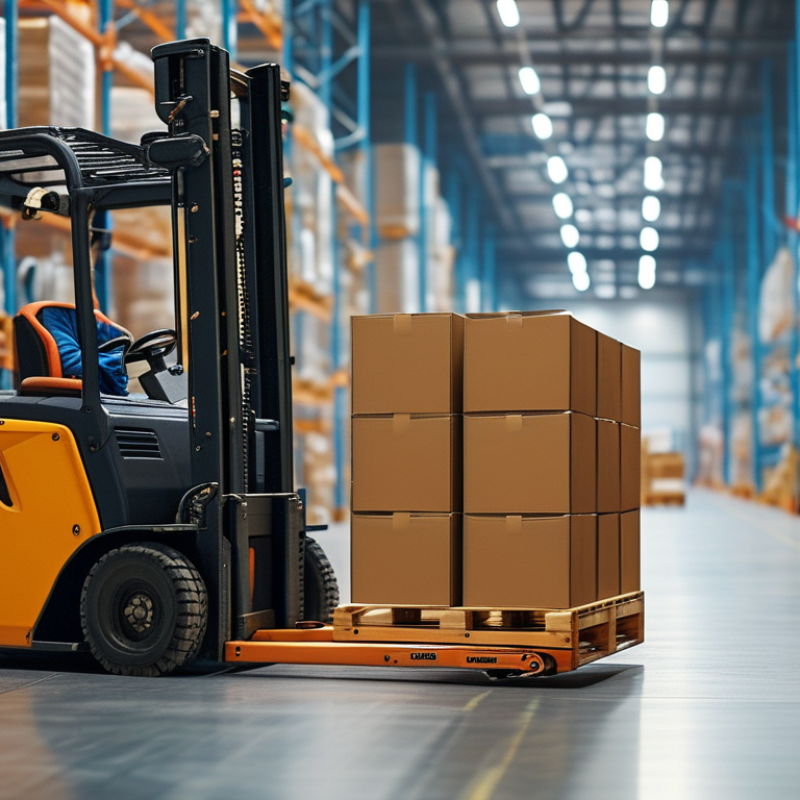
How to Enhance Warehouse Efficiency with Handling Equipment?

Understanding the Importance of Handling Equipment in Warehousing

Efficient handling equipment plays a crucial role in warehouse operations. Understanding its importance can significantly impact productivity and safety. Poor equipment choices lead to delays and increased labor costs. Incorporating suitable tools can streamline processes.

When selecting handling equipment, consider weight capacity and space requirements. Choosing the right equipment improves workflow. For example, pallet jacks are ideal for maneuvering heavy loads in tight spaces. Always assess the specific needs of your warehouse before making decisions.

Evaluate staff training and comfort with equipment. Employees familiar with handling tools work faster and safer. Regularly inspect equipment to avoid breakdowns. Small issues can lead to larger problems. Don't overlook maintenance, as it can prolong equipment lifespan. Investing in reliable tools pays off in reduced downtime and enhanced efficiency.

Types of Handling Equipment and Their Functions in Warehouse Operations

Warehouses rely heavily on various handling equipment to streamline their operations. Forklifts are among the most common tools. They lift and move heavy loads quickly. Operators must be trained to use these machines safely. A lack of proper training can lead to accidents.

Another vital piece of equipment is pallet jacks. They help transport goods across short distances. This equipment is often more economical than forklifts. However, they may not handle heavier loads efficiently. Warehouse workers must be aware of their limits.

Automated systems, like conveyor belts, enhance workflow significantly. They reduce the need for manual labor. Yet, they require regular maintenance to function effectively. If neglected, downtime increases, affecting productivity. Understanding each piece of equipment's limitations is essential for optimal performance in any warehouse.

Strategies for Selecting the Right Handling Equipment for Your Warehouse

When selecting handling equipment for your warehouse, several factors come into play. It's essential to assess the specific needs of your operations. For instance, consider the types of products stored and their weights. Heavy items require sturdy equipment, while lighter goods can be managed with more versatile tools.

Analyze the space in your warehouse. A narrow aisle may limit the types of equipment you can use. Equipment like pallet jacks and compact forklifts may be more suitable in tight areas. On the other hand, a spacious environment allows for larger machinery. Understanding your layout prevents costly mistakes.

Finally, think about employee training and safety. Equipment that is advanced may require specialized training. If staff are not adequately trained, accidents can occur, leading to injuries and increased liability. Balancing efficiency with safety is crucial. Regularly evaluate whether your chosen equipment meets your evolving needs. This reflection can lead to better long-term outcomes.

Best Practices for Maintaining and Upgrading Handling Equipment

Maintaining and upgrading handling equipment in warehouses is crucial. Regular inspections are a must. Look for signs of wear, rust, or fatigue. Create a checklist for your team. This ensures nothing is overlooked during routine checks.

Training staff is equally important. Make sure employees understand equipment use. Inefficient handling can lead to accidents or damage. It costs time and money. Regular training sessions can reinforce best practices. Use real-life scenarios for better understanding.

Upgrading technology is a necessary step, but it can be daunting. Evaluate your current equipment. Identify what needs enhancement. New technology can improve speed and safety but may require changes in workflow. Gather feedback from your team on potential upgrades. Their insights are valuable and often highlight overlooked issues.

Measuring the Impact of Handling Equipment on Warehouse Efficiency

In today's fast-paced environment, understanding the impact of handling equipment on warehouse efficiency is crucial. Effective equipment boosts productivity significantly. But not all systems yield the same benefits. Evaluating the right tools for your warehouse is necessary to meet specific needs.

Tips: Regularly assess equipment usage. This can reveal inefficiencies that need attention. Training staff on handling equipment improves both safety and performance. When workers are confident, tasks get done quickly and accurately.

Choosing the right handling equipment involves careful consideration. Often, businesses overlook the importance of maintenance. Well-maintained equipment performs better and lasts longer. Think about how downtime affects your operations. Even minor delays can cascade into larger issues. Researching various handling solutions can provide insights into which equipment may work best for your warehouse. Investing in technology may streamline processes, but it requires due diligence.

Impact of Handling Equipment on Warehouse Efficiency

FAQS

: What should I consider when selecting handling equipment?

: Assess the specific needs of your operations and product types. Consider weight and storage requirements.

How does warehouse space affect equipment choice?

Space impacts equipment selection. Narrow aisles may limit options, while spacious areas allow larger machinery.

Why is employee training important for handling equipment?

Proper training prevents accidents and ensures efficient equipment use. Without it, injuries can occur.

How can I maintain handling equipment effectively?

Conduct regular inspections for wear or damage. Create checklists to ensure thoroughness during evaluations.

What role does staff feedback play in equipment upgrades?

Employee insights can identify overlooked issues and ensure upgrades address real needs in your workflow.

How often should training sessions occur?

Regular sessions are essential to reinforce best practices. Incorporate real-life scenarios for effective learning.

What signs indicate equipment needs maintenance?

Look for rust, fatigue, or inconsistencies in performance. These could suggest it's time for repairs.

How can upgrading technology impact workflow?

New technology may enhance speed and safety but could also require adjustments in existing processes.

Conclusion

In today's competitive market, understanding how to improve warehouse efficiency with handling equipment is crucial for optimizing operations. Effective handling equipment, such as forklifts, conveyor systems, and pallet jacks, plays a vital role in streamlining processes, reducing manual labor, and enhancing safety. Different types of equipment serve various functions, from loading and unloading to shelving and sorting items, which can significantly impact overall productivity.

Selecting the right handling equipment involves assessing specific warehouse needs and considering factors like space, workload, and employee skill levels. Additionally, regular maintenance and timely upgrades are essential to ensure equipment reliability and longevity. By measuring the impact of handling equipment on key performance indicators, warehouses can continuously improve their efficiency, leading to reduced costs and increased customer satisfaction.

Ethan

Ethan

Ethan is a seasoned marketing professional with a deep expertise in our company's innovative product line. With a passion for sharing knowledge and insights, he takes the lead in regularly updating our corporate blog, where he explores industry trends, product features, and effective marketing......