Transporting heavy goods safely in warehouses is a critical issue for many businesses. Industry expert John Smith emphasizes, "Safety should always come first when moving heavy items." His insight reflects a growing awareness of the risks involved in this process. As warehouses become busier, the challenge of effectively managing these risks intensifies.
In an environment filled with heavy machinery and valuable inventory, knowing how to transport heavy goods safely in warehouses is paramount. Mishaps can lead to severe injuries and costly downtime. Workers must be trained in proper lifting techniques and the use of equipment like forklifts and pallet jacks. Regular safety audits can also help identify potential hazards.
However, even with the best precautions in place, accidents can occur. Poor communication among team members can lead to misjudgments. Inadequate equipment can also compromise safety. Each incident serves as a reminder that continuous improvement is necessary. By adopting best practices and learning from mistakes, warehouses can enhance their safety protocols over time.
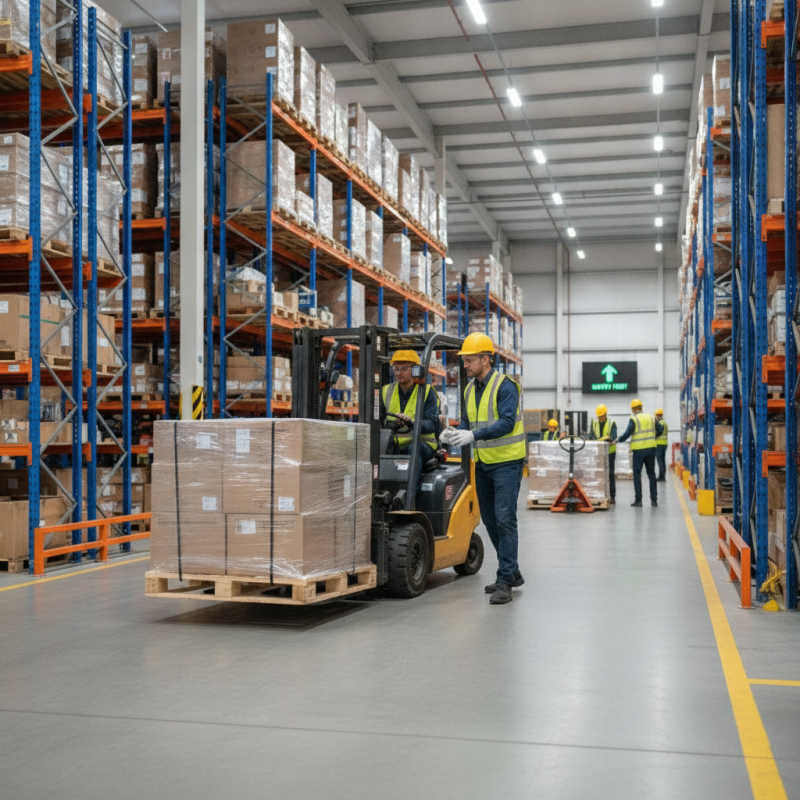
Transporting heavy goods in warehouses requires strict adherence to safety protocols. According to the Occupational Safety and Health Administration (OSHA), more than 20,000 injuries in warehouses occur annually, many due to improper lifting techniques or inadequate equipment usage. Ensuring safety protocols are understood and followed can significantly reduce this risk.
Tip: Always train staff on using equipment properly. This includes forklifts, pallet jacks, and conveyor systems. Regular training can reduce accidents by over 30%, as reported by the National Safety Council. Workers should be aware of their surroundings and use team lifting techniques when necessary.
Understanding proper loading procedures is also crucial. Load items evenly on pallets and ensure they are secured with straps. The National Institute for Occupational Safety and Health (NIOSH) has found that uneven loads can lead to tipping and accidents. Encourage employees to use personal protective equipment (PPE) at all times and to report unsafe conditions immediately. These steps cultivate a culture of safety within the workplace.
Tip: Regularly inspect equipment for maintenance issues. A broken forklift could lead to catastrophic accidents. Focusing on these small details can lead to a safer, more efficient warehouse environment.
Choosing the right equipment for moving heavy items in warehouses is crucial for ensuring safety and efficiency. According to a recent report from the Occupational Safety and Health Administration (OSHA), around 34,000 injuries occur annually due to improper lifting techniques. This highlights the need for proper equipment selection.
Pallet jacks and forklifts are common choices for moving heavy goods. Pallet jacks can handle loads up to 5,500 lbs, making them ideal for stacked items. However, they require adequate operator training to prevent accidents. On the other hand, forklifts can lift much larger weights. They can raise loads exceeding 8,000 lbs. Yet, a lack of operator certification can lead to dangerous situations.
Manual handling is still prevalent. It's important to promote awareness of safe practices. Many warehouses overlook the ergonomic risks. Equipment such as hoists and conveyors can significantly reduce physical strain. Investing in quality equipment not only protects workers but also enhances productivity. A study from the National Institute for Occupational Safety and Health (NIOSH) shows that using the right tools can decrease injury rates by up to 20%. Thus, choosing the right equipment is not just about compliance; it’s about creating a safer work environment.
Lifting heavy goods requires careful techniques to ensure safety. Proper posture is key. Stand close to the load, feet shoulder-width apart. This stance provides stability. Bend your knees, not your back. Keep your spine straight while lifting. This method reduces the risk of injury significantly.
Use hands to grip the load securely. A firm grip prevents drops and accidents. When lifting, engage your core. This action supports your back. As you lift, exhale gently to maintain strength. If the load is awkward, adjust your grip before moving. It’s essential to communicate with coworkers when handling large items, ensuring everyone is aware of their duties.
Remember that not all lifts require muscle alone. Use tools like dollies or forklifts for heavier items. Relying only on human strength can lead to harm over time. Reflect on past lifting experiences. Did you rush? Did that lead to strain? By constantly assessing your lifting techniques and making improvements, you enhance safety in the warehouse environment.
Transporting heavy goods in a warehouse requires careful planning. Utilizing proper load securing methods is key to keeping goods safe during movement. An effective approach begins with choosing the right equipment. This could include straps, chains, and appropriate containers. Each item has a specific use case. For example, straps are excellent for securing lighter loads, while chains are better for heavier, bulkier items.
Tips: Inspect your securing tools regularly. A worn strap can snap unexpectedly. Always ensure that the load is evenly balanced before moving. This prevents tipping and potential accidents. Pay attention to weight limits of your equipment. Overloading can lead to failure, risking injury and damage.
Communication is critical. Ensure that team members understand the load securing methods in place. Miscommunication can result in oversight, leading to improperly secured loads. Training sessions can enhance understanding and boost overall safety. Reflect on past experiences. Evaluating near misses can help improve future practices. Learn from any mistakes to foster a safer working environment.
Training staff on safe handling and transportation practices is vital in a warehouse. Employees must be well-informed about potential hazards. The first step is to provide thorough training sessions on using appropriate lifting techniques. Participants should practice these methods with different weights. This approach helps instill confidence while reducing the risk of injury.
Regular refresher courses can keep safety fresh in employees' minds. These sessions could include hands-on demonstrations. Staff members may not grasp all instructions during initial training. Repetition is key to reinforcing safe practices. It also allows for questions and discussions regarding specific scenarios they've faced.
Incorporating real-life examples can enhance learning. Discuss past incidents—what went wrong and how they could have been avoided. Encourage a culture of open communication. Staff should feel comfortable speaking about their challenges or uncertainties. This environment fosters better safety awareness and accountability.
: Most injuries arise from improper lifting techniques and inadequate equipment usage.
Proper training can lower accidents by over 30% if staff learn to use equipment correctly.
Even loading on pallets and securing with straps prevents tipping and reduces accidents.
PPE protects workers from potential hazards and encourages immediate reporting of unsafe conditions.
Regular inspections are essential to identify maintenance issues that could lead to accidents.
Proper equipment reduces injury risks and improves overall efficiency in handling heavy items.
Maintain a stable stance, bend knees, and keep the back straight while lifting heavy loads.
Yes, manual handling poses ergonomic risks, and using equipment can minimize physical strain.
They reduce reliance on muscle strength alone, lowering the risk of injury over time.
Reflect on mistakes and aim to improve lifting techniques for better safety outcomes.
Transporting heavy goods safely in warehouses is a crucial aspect of warehouse operations that can significantly reduce the risk of injury and damage. Understanding warehouse safety protocols is the first step in ensuring a safe environment. Choosing the right equipment, such as forklifts and pallet jacks, tailored to the specific weight and type of goods being moved, is essential for efficiency. Additionally, implementing proper lifting techniques and training staff on safe handling practices can prevent accidents during transport.
Furthermore, utilizing effective load securing methods, such as straps and pallets, ensures that goods remain stable throughout the transportation process. By focusing on these key areas, warehouses can effectively address the challenge of how to transport heavy goods safely in warehouses, creating a safer and more productive workplace for everyone involved.

DLI AutoLogix