Knowing the service life of pallet handling equipment is more than a budgeting exercise. It affects safety, productivity, energy use, and delivery reliability. So, what is the lifespan of pallet handling equipment? There is no universal number. A manual pallet jack may serve for many years, while an electric pallet truck can require major repairs much earlier under intensive use.
MHI’s 2024 Industry Report highlights labor pressure, automation investment, and operational resilience as major material-handling priorities. These pressures make equipment condition increasingly important. A truck that loses power during a busy shift can delay several pallets, not just one task. OSHA’s Powered Industrial Trucks guidance also emphasizes operator training, inspections, maintenance, and safe operating conditions. Service history matters. Environment matters too.
A clean hour meter can still mislead. A pallet truck used on uneven concrete, in cold storage, or beside loading docks may age faster than one used lightly indoors. Battery cycles, wheel wear, hydraulic leaks, fork deformation, and controller faults offer better clues than calendar age alone. Industry maintenance records should be compared with manufacturer recommendations and applicable standards, including ISO 3691-1 for industrial trucks.
The answer is rarely simple. Replacement may be wiser than another repair, but not always. A careful lifecycle review should include downtime costs, parts availability, battery performance, operator feedback, and inspection findings. This article examines those factors. It also questions a common assumption: older equipment is not automatically inefficient, and newer equipment is not automatically reliable.
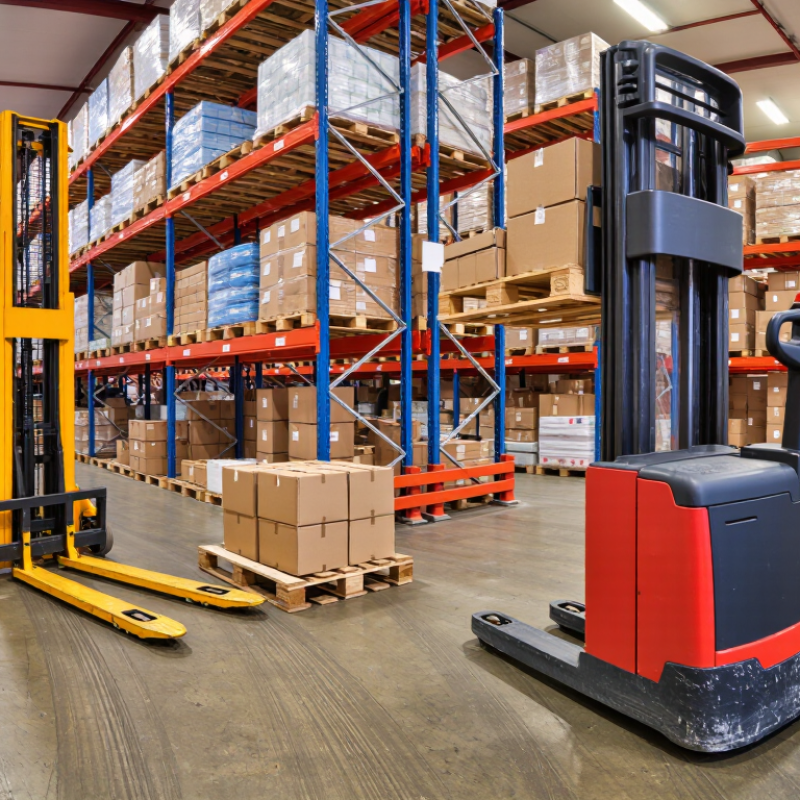
The lifespan of pallet handling equipment depends on design, workload, maintenance, and working conditions. A manual pallet jack may serve for five to ten years. Electric pallet trucks often operate for eight to twelve years with proper care. Heavy-duty equipment can last longer, but constant use reduces that estimate. Daily movement across rough floors causes faster wear. So does carrying loads near the rated limit.
Lifespan is not only a calendar number. Track operating hours, repair frequency, wheel condition, battery performance, and hydraulic leaks. A pallet truck that looks clean may still have weakened steering components. I have seen equipment fail earlier because small noises were ignored. That mistake is easy to repeat. The best estimate combines manufacturer guidance with inspection records and actual working conditions.
Tips: Inspect forks, wheels, handles, controls, and brakes before each shift. Keep a simple service log. Clean spilled liquids quickly, especially near electrical parts. Train operators to avoid sharp turns and overloaded pallets. Replace damaged safety components immediately. Do not stretch the service life blindly. If repairs become frequent, downtime and workplace risk may cost more than replacement.
Knowing the expected lifespan of pallet handling equipment helps warehouses plan repairs, training, and replacement budgets. Service life is rarely determined by the calendar alone. Daily conditions usually matter more.
Load weight is a major factor. Repeated overloads can stress forks, wheels, frames, and lifting systems. Uneven pallets create additional pressure. Frequent starts, stops, and tight turns also increase mechanical wear. Usage hours matter, but operating style matters too. Gentle control helps. Aggressive handling does not.
The working environment can shorten equipment life. Dust may enter moving parts. Moisture can accelerate corrosion. Cold storage can reduce battery performance and affect lubricants. Poor floor surfaces create constant vibration. Even small cracks can damage wheels over time.
Maintenance quality often separates long service from early failure. Regular inspections should check brakes, chains, forks, fasteners, wheels, and warning devices. Keep clear records. A missing record can hide a repeated fault. Battery charging habits also influence performance and replacement timing. Operators need practical training, not just written instructions.
I have seen teams focus on visible damage while ignoring unusual noise or slower lifting. That is a mistake. Small symptoms often appear before expensive failures. Still, maintenance plans are not perfect. A well-serviced unit may fail unexpectedly because of hidden fatigue or a manufacturing variation. Equipment age, workload, environment, and repair history should be reviewed together before estimating its remaining service life.
| Equipment or Factor | Typical Service-Life Range | Primary Service-Life Drivers | Common Warning Signs | Practical Measures to Extend Life |
|---|---|---|---|---|
| Manual pallet truck | 5–10 years in regular warehouse use | Load weight, floor condition, wheel material, corrosion, and hydraulic maintenance | Leaking hydraulic unit, slow lowering, bent forks, damaged wheels, or excessive handle play | Keep loads within rated capacity, lubricate pivot points, replace worn wheels, and inspect hydraulics regularly |
| Electric pallet truck | 5–10 years, depending on operating hours and battery care | Daily operating hours, battery chemistry, charging practice, impact frequency, and maintenance quality | Reduced travel range, sluggish acceleration, abnormal noise, error codes, or declining battery capacity | Use correct charging procedures, avoid deep discharge when possible, inspect connectors, and maintain drive wheels |
| Walkie stacker | 6–10 years in moderate-duty applications | Lift cycles, mast alignment, load distribution, battery condition, and operator training | Uneven lifting, mast vibration, chain noise, hydraulic leaks, or reduced lifting speed | Inspect chains and mast rollers, keep the mast clean, perform scheduled lubrication, and avoid off-center loads |
| Reach truck | 8–12 years under controlled warehouse conditions | Operating intensity, mast height, rack impacts, battery management, tire wear, and aisle surfaces | Mast sway, steering resistance, hydraulic leakage, unstable reach movement, or frequent fault alarms | Use trained operators, maintain rack clearances, inspect mast components, and monitor tire and battery condition |
| Counterbalance forklift | 10–15 years with planned maintenance | Annual operating hours, fuel or battery system, load severity, outdoor exposure, and impact events | Transmission problems, hydraulic drift, excessive exhaust, steering play, tire damage, or repeated downtime | Follow preventive-maintenance intervals, inspect safety systems, service fluids and filters, and repair impacts promptly |
| Load capacity and overload frequency | A major determinant rather than a fixed service-life category | Loads above the rated capacity increase stress on forks, frame, mast, wheels, and hydraulic components | Bent forks, cracked welds, hydraulic pressure loss, frame deformation, or premature tire wear | Match equipment to the application, center loads correctly, and prohibit overloads and unbalanced loads |
| Operating environment | Can shorten expected life substantially in harsh conditions | Dust, moisture, salt, chemicals, extreme temperatures, uneven floors, and outdoor exposure | Corrosion, blocked filters, electrical faults, wheel damage, overheating, or rapid component wear | Select suitable components, clean equipment routinely, protect electrical parts, and improve floor conditions |
| Operating intensity | Light-duty use generally lasts longer than multi-shift, high-cycle use | Shifts per day, travel distance, lift cycles, idle time, acceleration, braking, and impact frequency | Overheating, rapid battery depletion, brake wear, frequent alarms, and increasing repair frequency | Set duty-based maintenance intervals, rotate equipment where practical, and track operating hours |
| Preventive maintenance | Regular maintenance can significantly improve reliability and usable life | Inspection frequency, qualified technicians, genuine specification-matched parts, lubrication, and record keeping | Repeated breakdowns, unresolved leaks, irregular performance, and rising maintenance costs | Use daily checks, scheduled servicing, documented repairs, and condition-based replacement planning |
| Operator behavior and training | Affects wear rate throughout the entire equipment life | Speed, abrupt braking, rack impacts, incorrect loading, unauthorized use, and failure to report defects | Frequent collision damage, uneven tire wear, bent forks, misuse of controls, or repeated safety incidents | Provide operator training, enforce speed limits, conduct pre-use inspections, and remove defective equipment from service |
Note: Service-life ranges are general industry planning estimates. Actual life varies with equipment design, workload, maintenance quality, operating environment, and safety compliance.
Aging pallet handling equipment can turn small defects into serious workplace hazards. Brakes may respond slowly. Forks can develop cracks, while hydraulic seals may leak near walking routes. In cold warehouses, batteries also lose capacity and reduce lifting performance. These problems rarely appear together. That makes them easy to underestimate.
The U.S. Occupational Safety and Health Administration reports about 85 fatal forklift incidents and 34,900 serious injuries each year. OSHA also identifies inadequate inspection and training as important risk factors. Equipment age does not cause every accident, but worn controls can make human mistakes more dangerous. A pallet may stop unevenly, shift during lifting, or drop several centimeters without warning. Small movements matter.
The UK Health and Safety Executive states that workplace transport incidents represent about 25% of deaths involving vehicles at work. Maintenance teams should record braking distance, steering response, mast noise, chain wear, tire damage, and repeated fault codes. Service hours are useful, but they are not the whole story. A lightly used truck in a damp area may deteriorate faster than a busy truck in a clean warehouse. A checklist is not magic. Records can also miss problems when inspections become routine and rushed. Reviewing near-misses and operator comments adds practical evidence before retirement decisions are made.
Knowing the lifespan of pallet handling equipment helps teams plan safer, more practical decisions. Age alone misleads. In daily warehouse work, equipment absorbs impacts, dust, moisture, and repeated heavy loads. A bent fork, cracked weld, leaking hydraulic line, or weak battery deserves immediate attention. Look closely.
Repair is sensible when the damage is limited, the frame remains straight, and qualified technicians can restore safe operation. Replace the equipment when failures happen repeatedly, downtime keeps increasing, or essential parts are difficult to source. Compare repair invoices, lost operating hours, energy use, and expected service life. A cheap repair may become expensive after several interruptions. Always test brakes, steering, lifting functions, warning devices, and load stability after maintenance.
I have learned not to trust a single visual inspection. A clean exterior can hide worn bearings or electrical faults. One maintenance decision can still be wrong. Keep dated inspection records, photographs, operator comments, and repair histories. These details reveal patterns that memory misses. If a unit drops a pallet unevenly at 8 a.m., note the floor condition, load weight, and temperature. That evidence supports a better repair-or-replacement decision. Schedule an independent assessment when internal opinions disagree.
Extending pallet handling equipment life starts with small, repeatable checks, not expensive repairs. Before each shift, operators should inspect forks for cracks, wheels for flat spots, and hydraulic systems for leaks. A two-minute walkaround can reveal a loose fastener before it becomes a costly failure. Keep a written log, including unusual noise, reduced lifting speed, or uneven travel. These details help maintenance staff identify patterns instead of guessing.
Use equipment within its rated capacity and on suitable floor surfaces. Overloading may bend forks, strain lifting components, and shorten battery life. Clean dust and spilled material from wheels, controls, and charging areas every day. Lubricate moving joints according to the service schedule, while avoiding excess grease that attracts grit.
Batteries need correct charging practices, stable connections, and adequate ventilation. Small habits matter.
Preventive maintenance should follow operating hours, not only calendar dates. Replace worn wheels, seals, and cables before they damage connected parts. Train operators to lower loads during travel and avoid sudden turns. In practice, some teams postpone inspections during peak seasons. That decision often costs more later. Maintenance plans also need adjustment; cold storage or abrasive dust may require shorter service intervals. No checklist is perfect. Review it after breakdowns, then improve the weak point.
Aging equipment can make small defects more dangerous. Brakes may respond slowly, and forks may develop cracks. Hydraulic leaks can spread near walking routes. Small movements matter.
Watch for bent forks, cracked welds, weak batteries, and leaking hydraulic lines. Record unusual mast noise and repeated fault codes. Stop using equipment when lifting becomes uneven or unpredictable.
No. Age is only one factor. Usage, moisture, dust, impacts, load weight, and service history also matter. A lightly used unit may deteriorate quickly in a damp area.
Repair may work when damage is limited and the frame remains straight. Qualified technicians should restore safe operation. Test the equipment before returning it to daily work.
Replacement deserves consideration when failures happen repeatedly. Rising downtime and unavailable essential parts are strong warning signs. A cheap repair can become expensive after several interruptions.
Compare repair invoices, lost operating hours, energy use, and expected service life. Include repeated delays and operator concerns. The lowest immediate cost may not be the safest choice.
Test braking, steering, lifting functions, warning devices, and load stability. Check whether the pallet rises evenly. Test carefully.
Dated records, photographs, and repair histories reveal patterns that memory misses. Note the floor condition, load weight, and temperature after an uneven lift. A checklist is not magic.
No. A clean exterior can hide worn bearings or electrical faults. I would not trust one inspection alone. Independent assessment may help when maintenance opinions disagree.
Understanding what is the lifespan of pallet handling equipment is essential for planning safe and cost-effective warehouse operations. Service life varies according to equipment type, workload, operating conditions, maintenance quality, operator practices, and storage environment. Frequent heavy use, overloading, poor floor conditions, moisture, and delayed servicing can accelerate wear on wheels, forks, frames, batteries, and lifting components.
As equipment ages, reduced stability, slower performance, unusual noises, or damaged parts may increase workplace risks and interrupt daily operations. Businesses should arrange regular inspections and repair minor issues before they become serious. When repair costs become excessive, safety cannot be reliably maintained, or the equipment no longer meets operational needs, replacement may be the better choice. A planned maintenance schedule, proper operator training, correct loading methods, routine cleaning, timely part replacement, and suitable storage can significantly extend equipment lifespan while supporting safer and more efficient material handling.

DLI AutoLogix